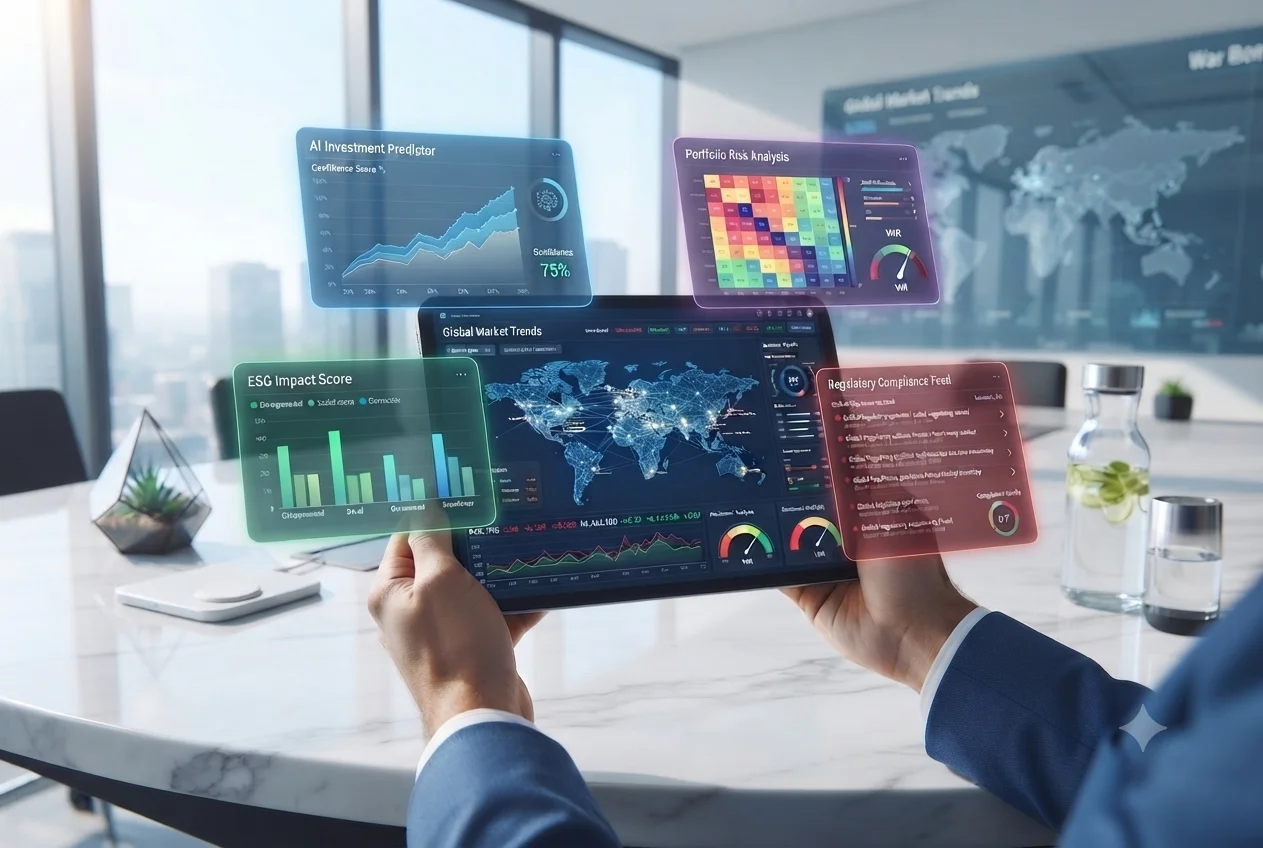
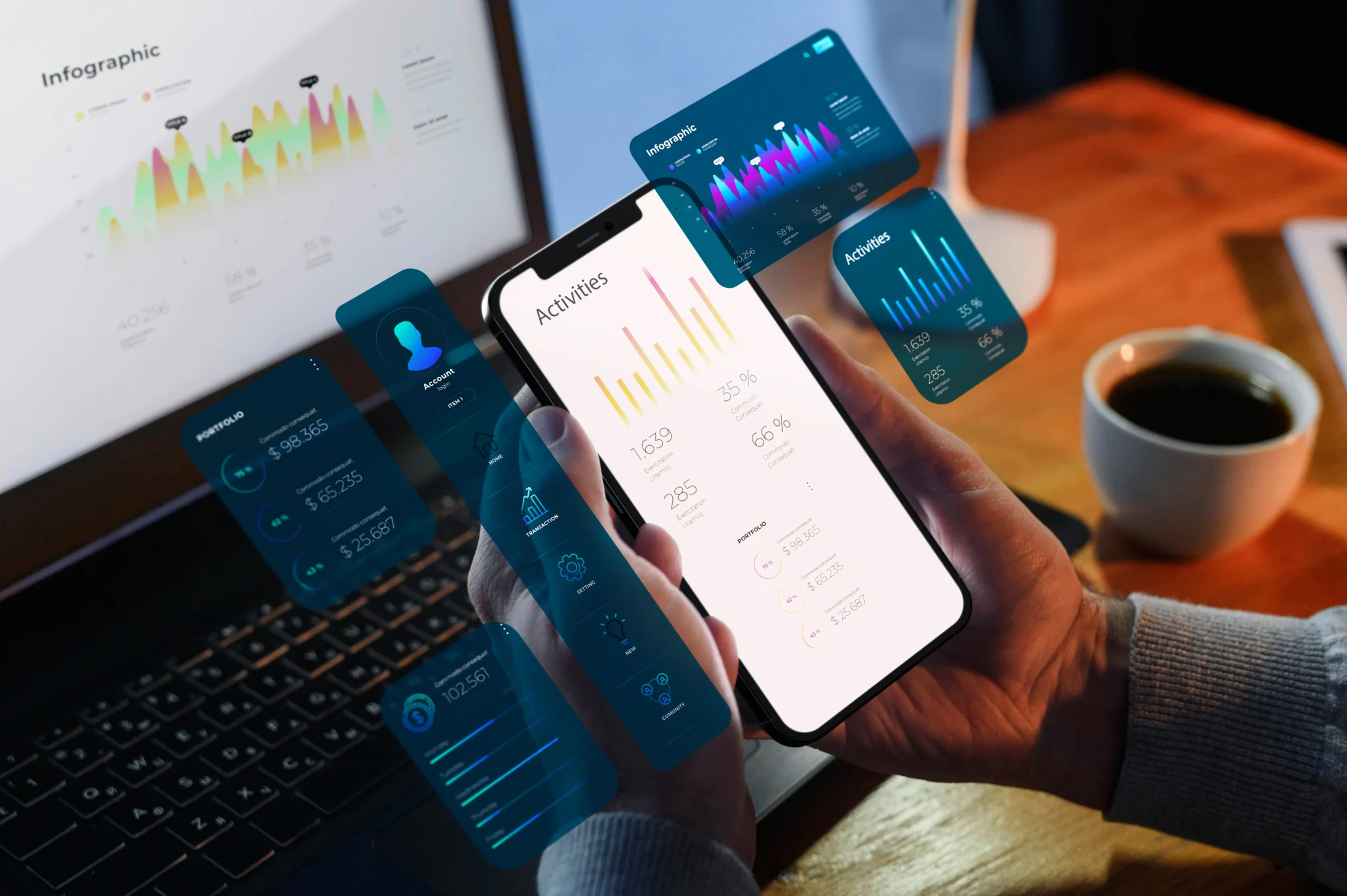
How we handle money is undergoing a significant transformation, driven by the increasing demand for immediate and convenient financial transactions. This shift paves the way for real-time payments (RTPs), which are revolutionizing the financial landscape by enabling instant transfers of funds between accounts, 24/7/365.
A Market on the Rise
Real-time payments are rapidly gaining traction worldwide. According to a recent report by ACI Worldwide, the global real-time payments market size reached a staggering $195 billion in 2022, with a projected growth of 12.23% CAGR (Compound Annual Growth Rate) to reach $27.2 trillion by 2027. This explosive growth is fueled by various factors, including:
- Increased mobile phone penetration and the widespread adoption of digital wallets: Consumers are increasingly comfortable using their smartphones for various financial transactions, making real-time payments a natural and convenient extension of their everyday lives.
- Government initiatives: Many governments are actively promoting the adoption of real-time payments through supportive regulations and infrastructure development. For instance, India’s Unified Payments Interface (UPI) has become a global success story, processing over 8.9 billion transactions in January 2024 alone.
- Enhanced security and fraud prevention: Advancements in technology have led to robust security features within real-time payment systems, addressing concerns and encouraging wider user adoption.
Benefits for Businesses and Consumers
The true value of real-time payments lies beyond just speed. It offers a multitude of benefits for both businesses and consumers:
For businesses:
- Improved cash flow management: Businesses can receive payments instantly, allowing them to better manage their working capital and invest in new opportunities.
- Enhanced customer experience: Real-time payments enable faster refunds, instant settlements, and seamless payment experiences, leading to increased customer satisfaction and loyalty.
- Streamlined operations: Automating payment processes through real-time payments can save businesses time and resources, allowing them to focus on core activities.
For consumers:
- Instant access to funds: Whether receiving salaries, splitting bills with friends, or making online purchases, real-time payments provide immediate access to money, enabling greater financial flexibility.
- Increased convenience: Gone are the days of waiting for checks to clear or bank transfers to process. Real-time payments offer a convenient and hassle-free way to manage finances.
- Greater control: With funds available instantly, consumers can manage their budgets more effectively and avoid potential overspending associated with delayed transactions.
Emerging Use Cases
While person-to-person (P2P) transactions remain a core use case, real-time payments are continuously evolving and fostering new applications:
- Bill payments: Paying utility bills, rent, or subscriptions instantly eliminates the risk of late fees and simplifies the process for both consumers and businesses.
- Micropayments: Real-time payments are ideal for micro-transactions, like online content purchases or tipping creators, encouraging a more seamless and rewarding online experience.
- Real-time disbursements: Governments and businesses can utilize real-time payments to disburse funds instantly, such as social security payments or emergency relief funds, ensuring faster access to critical resources.
The Road Ahead
As real-time payments continue to gain traction, we can expect several exciting developments in the near future:
- Open Banking: The rise of open banking allows for greater integration of real-time payments with other financial services, further simplifying and streamlining financial management.
- Enhanced Security: Continuous innovation in security measures will remain crucial to ensure the safety and reliability of real-time payments for both businesses and consumers.
- Global Collaboration: As different countries adopt real-time payment systems, interoperability will become increasingly important, facilitating cross-border transactions and fostering a more interconnected financial ecosystem.
Applications of Real-Time Payments:

Balancing Speed with Safety
While real-time payments offer undeniable convenience and speed, concerns linger about their security compared to traditional methods. Unlike some slower payment systems, RTPs are typically final and irrevocable, meaning any errors or fraudulent activities can have immediate and potentially irreversible consequences. This raises the question: how do we ensure the safety of real-time payments on a technological level?
Understanding the Threats:
- Fraudulent transactions: Real-time nature makes them vulnerable to fraudsters seeking immediate access to funds. Techniques like account takeover, phishing scams, and social engineering can be used to gain unauthorized access and initiate fraudulent payments.
- Technical vulnerabilities: Software bugs, system outages, or security breaches within the payment infrastructure can leave the system open to exploitation by malicious actors.
- Human error: Accidental mistyping of account information or falling victim to social engineering tricks can lead to unintended and potentially harmful transactions.
Mitigating the Risks:
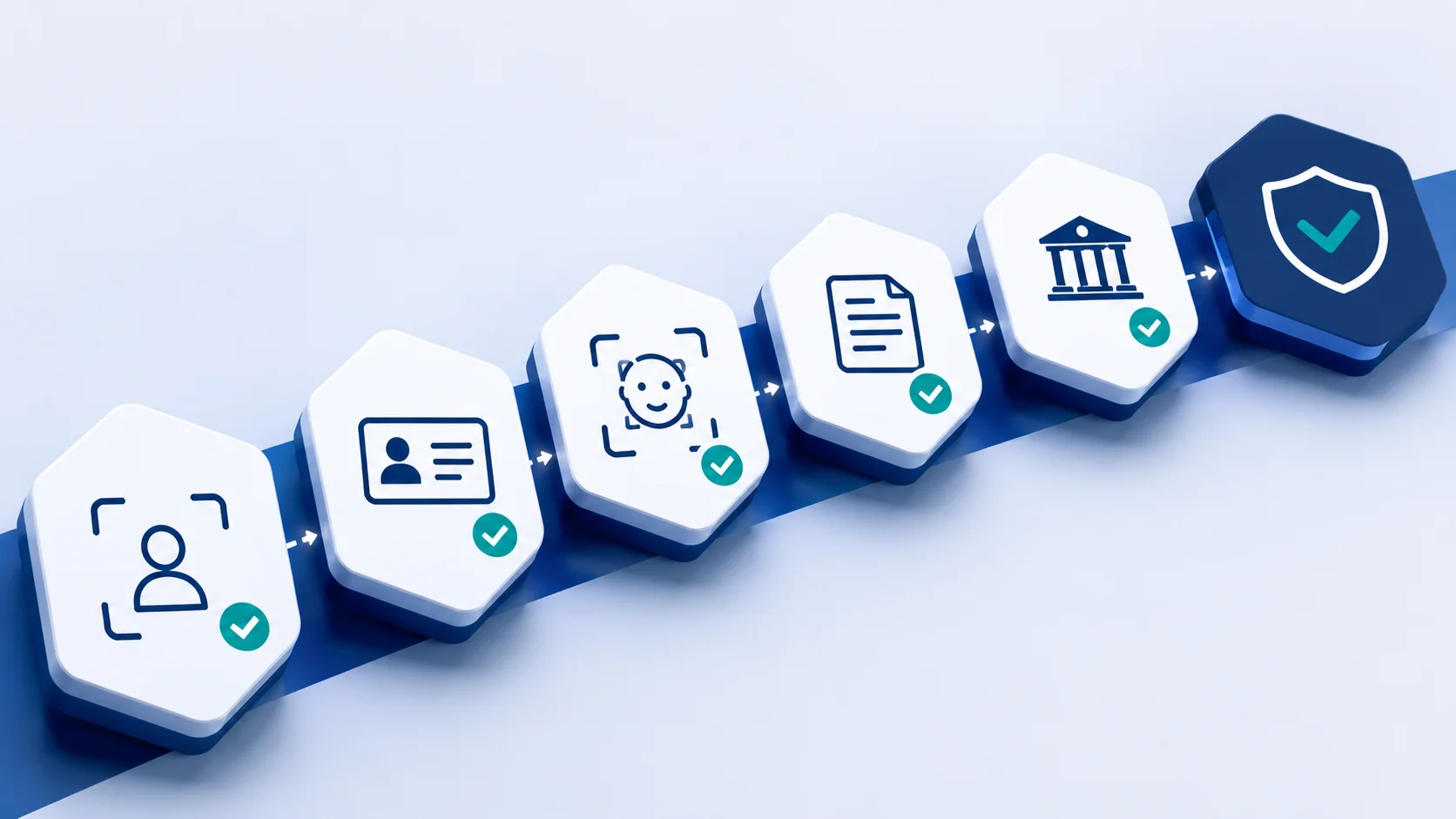
- Strong authentication: Implementing multi-factor authentication (MFA) is crucial, requiring additional verification steps beyond just passwords, like fingerprints or security codes sent to trusted devices. This significantly increases the difficulty for unauthorized individuals to gain access to accounts.
- Advanced fraud detection: Utilizing sophisticated AI and machine learning algorithms can help identify suspicious behaviors in real-time, flagging potentially fraudulent transactions before they are completed.
- Data encryption: Implementing robust data encryption throughout the entire payment process, from user input to transaction processing, safeguards sensitive information from unauthorized interception.
- Consumer education: Empowering users with information about potential scams and best practices for secure online transactions is crucial. This includes being wary of unsolicited requests for personal information and verifying legitimate payment requests before initiating transfers.
Collaboration for a Secure Future
Combating these concerns requires a multi-pronged approach. Financial institutions, technology providers, and regulatory bodies must collaborate to implement robust security measures, continuously update, and adapt to evolving threats, and prioritize user education. By working together, we can ensure that the speed and convenience of real-time payments are not compromised at the expense of safety and security.
Ready to experience the power of real-time payments? Learn more about our solutions and see how we can help you streamline your business. Contact us at marketing@i-exceed.com.